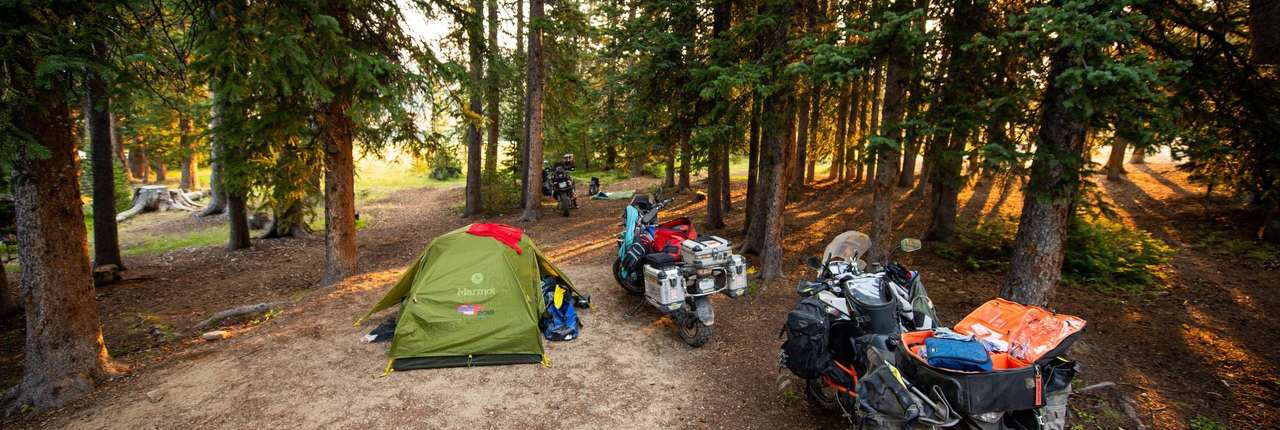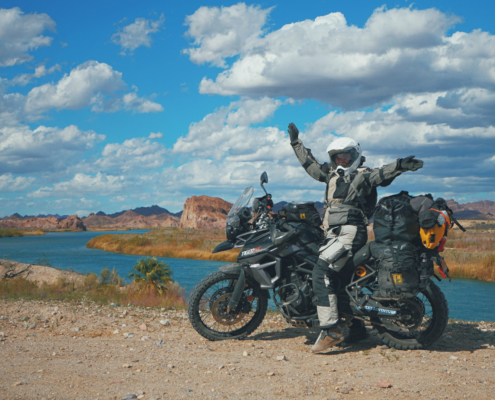
BDR’s are incredible multi day off-pavement backcountry motorcycle adventures, and one of the best ways to experience the BDR routes is to camp along the way.

We’ve asked the moto-camping pro Benjamin Williams of Moto Camp Nerd to give us his recommendations for some of the Essential Camping Equipment you may want to take along with you on your next Backcountry Discovery Route expedition.

Before we get into the meat of the list of essentials, let’s take a minute to address that everyone’s needs are going to be different. This list is just a jumping off point. Take it and mold it to your own personal tastes and needs. If you have already tried hammock camping and love it, awesome! Switch out the tent recommendation for your favorite hammock setup (that’s versatile enough to work even if there’s no optimal places to tie off to trees.) Everyone also has their “luxury” items they bring along to make themselves feel a little more at home on the road. Just, try not to go overboard.

Brought to you by:
Weight Matters.

If you’re at all like me it’s easy to envision every instance in which you would want this thing, that thing, and this other thing to stay comfortable and to respond to any breakdowns or odd event. But remember, this isn’t just a weekend slab ride to the campground where you can dump your things and go ride the trails unladen.
Every extra item that isn’t 100% something you’ll need and use everyday, is potentially an extra pound you’ll have to pick up off the ground and make the handling of your bike in trickier terrain even more difficult. It’s important to be as honest with yourself as possible about what things you can and can’t live without. A good sleeping pad? Yes, good sleep is a high priority on a BDR. A camp table? Maybe think about that one for a minute.

How much time will you really be spending at camp every night? If you’re a ‘ride until the sun goes down, make something quick for dinner and go to bed and get out early the next day’, you might not really need to bring a chair. On the other end if you’re a ‘get to camp before 4pm’ kind of person, and like to spend some time relaxing in the evening, then ya, a camp chair might be a worthy addition.

With that said. Have you ever heard of the 10 Essentials? The original Ten Essentials list was assembled in the 1930s by The Mountaineers, a Seattle-based organization for climbers and outdoor adventurers, to help people be prepared for emergency situations in the outdoors. It has evolved over the years to represent Systems not just individual items, but the theme is the same: Be Prepared. The Ten Essentials: Navigation, Headlamp, Sun Protection, First Aid, Knife, Fire, Shelter, Extra Food, Extra Water, and Extra Clothes. Being a Motorcyclist we need to tack on one more to that: Tools.

Be Prepared.
The Ten Essentials:

  1. Navigation
  2. Headlamp
  3. Sun Protection
  4. First Aid
  5. Knife
  6. Fire
  7. Shelter
  8. Extra Food
  9. Extra Water
  10. Extra Clothes

Being a Motorcyclist we need to tack on one more to that: Tools.

THE ESSENTIALS

Shelter

After a lot of time in the woods, my favorite shelter system is a compact tent, but I know others who love themselves a hammock, or even get by with just a tarp. If this is your first BDR though, I recommend the freestanding tent option. They are versatile, set up just about anywhere, provide protection from the elements, bugs, pesky insects and offers a bit more privacy.

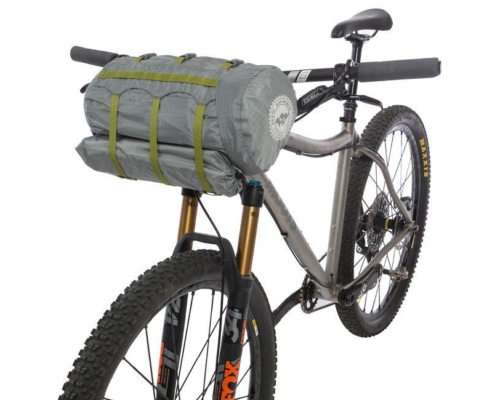
Big Agnes has changed the game for us tent campers; making the material extremely packable, and shortening tent poles so the pack size of what they call “Bikepacking Tents” is much smaller than your traditional tent. Being Motorcycle campers, we have some very similar needs to bicycle tourers (aka Bikepackers), which means gear made for our pedalling friends, also benefits us!

My Favorite:
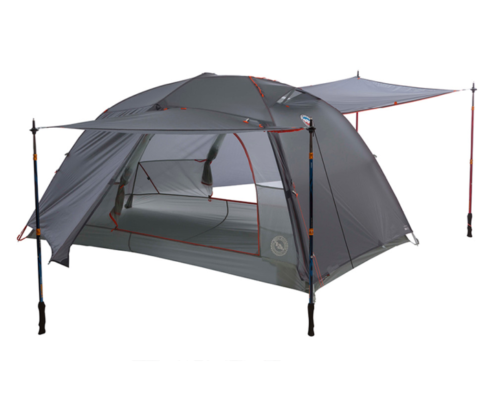
Big Agnes Copper Spur HV UL2 Bikepack Tent.
HV stands for High Volume (aka awesome headroom and lots of pockets), UL stands for Ultra Light, and the Bikepack part? It means the tent poles are 12” long when folded down. Which also means that once the tent is all packed up, they’ll fit in most saddlebags. Unlike other tent poles that are closer to 20” long.

Some Honorable Mentions:
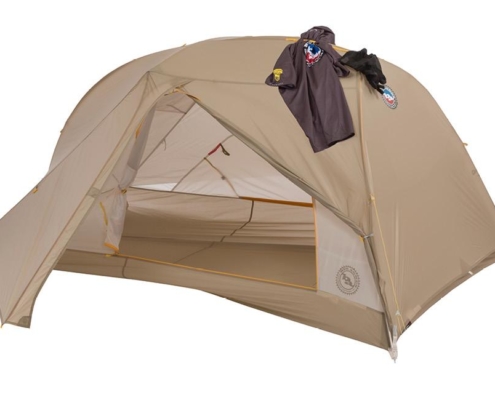
Tiger Wall UL3 Bikepack Tent, and the Blacktail Hotel 2 Bikepack.

Sleep System

Now depending on the BDR you’re choosing to tackle the elevation can change quite a bit. I will say though that most of the Routes in the Western half of the United States, include some pretty high elevations. It’s better to make sure your Sleep system is ready for the temperatures to drop at night, than to find out at 7,000 feet that your sleeping bag and pad combo is just not cutting it.

Things to keep in mind when searching for the best sleep system for you: Make sure the R Value of your sleeping pad is higher than 3, and that your sleeping bag is more like 30 degrees and lower (depending on how warm you sleep at night.)

Our Picks:
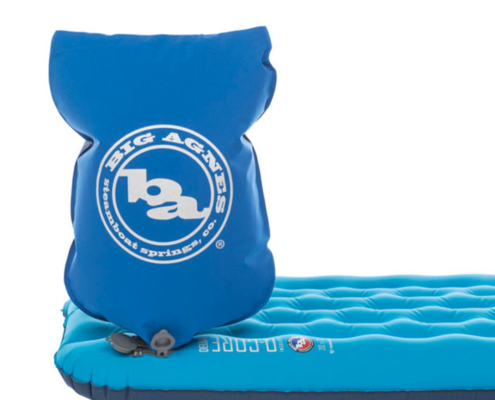
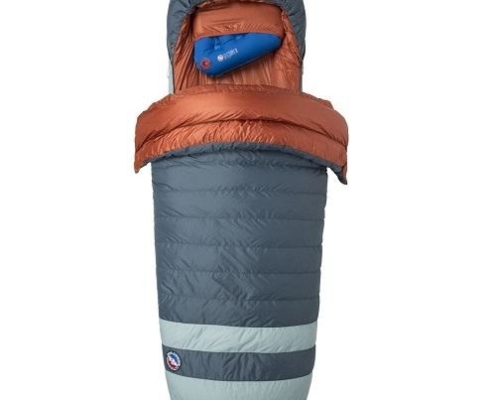
Big Agnes Insulated Q-Core Deluxe Sleeping Pad in combo with the Big Agnes Diamond Park Sleeping Bag 15˚

Honorable Mentions:
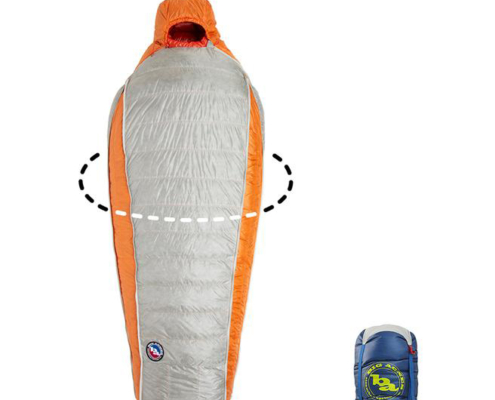
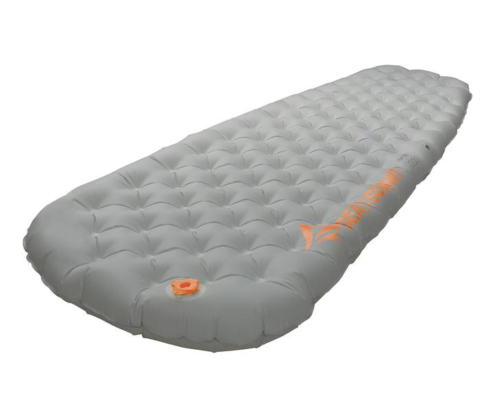
Big Agnes Torchlight UL 20 Sleeping Bag and the Sea to Summit Ether Light XL Insulated Air Sleeping Mat

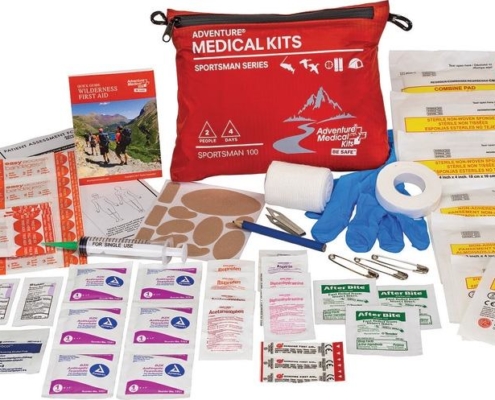
First Aid Kit

It is so so important to carry a First Aid Kit on your bike at all times, and know how to use the items in that kit. Pre-assembled kits are a great place to jump off from, but it’s also a great idea to customize that kit and have some kind of compact guide on dealing with medical emergencies in the backcountry. Depending on how many people you’re travelling with, that will also affect the contents of your kit. Make sure if there’s anyone in your group that has specific medical needs in an emergency there are things to deal with those needs in the kit and that everyone in the group knows how to administer them and where exactly they are kept.

A good place to start for your kit:
Adventure Medical Sportsman 100 Medical Kit

Tools

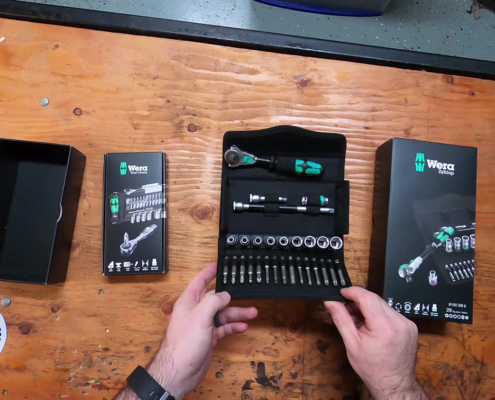
Think of your tool kit like the first aid kit for your motorcycle. Even if you don’t know exactly how to use it, or know how to replace parts of your bike on trail, it’s better to have the tools and run across someone else who knows how to use them, then to not have any at all. I do recommend though, customizing your kit and making sure you have the tools that fit all the important bolts and screws on your own motorcycle. Before you leave for your trip make sure you have all the sockets and wrenches you would need to do things like remove a wheel, adjust a chain, remove your shifter and rear brake, remove any fairings to get at the internals of your motorcycle etc.

Then add some zip ties, electrical tape and your choice of durable tape (depending on whether you land in Team Gorilla Tape or the Team Classic Duct Tape.) Even if you can’t fix whatever the problem is right there on trail, sometimes you can jerry-rig something together with zip ties and tape so you can limp to a place where you can get the tools and parts to fix it properly.

A great place to start for your tool kit:
Wera Zyklop ¼” Drive Set Metric
(Make sure you know if your motorcycle is Metric or SAE before buying tools.)

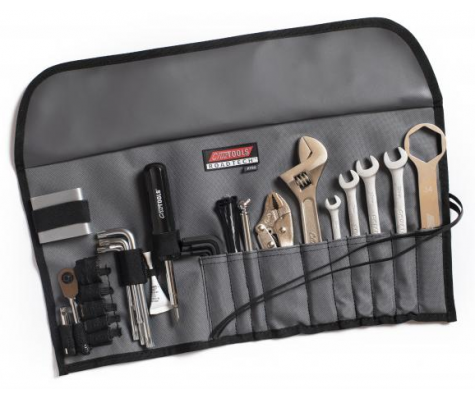
Additionally, bike specific RoadTech Tool Kits from CruzTOOLS are perfect for trailside repairs and adjustments while riding BDRs, and they are backed with a lifetime guarantee – ‘no questions asked’.

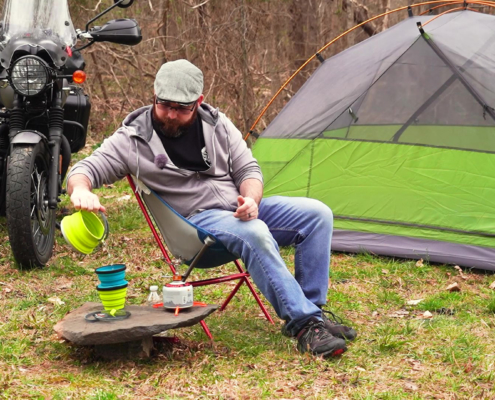
Food & Camp Kitchen

How we fuel our bodies when we are demanding concentration and performance from them is just as important as getting enough sleep.

This category covers a few of our ten essentials: Extra Food, Fire and Knife.
I’m sure most of you probably already carry a pocket knife. Knives are very handy for gear repair, food prep, first aid, and making kindling. Although, if you plan on using the same knife for all those things AND preparing food, make sure you clean it VERY thoroughly before you break into that summer sausage.

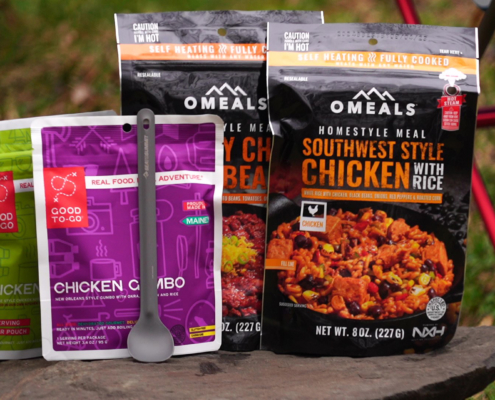
Now depending on if you plan on eating Dehydrated or Freeze Dried food, or if you plan on cooking your meals changes what kind of kit you’ll need.

Don’t forget a ziplock bag for your trash, and a sturdy stuff sack to keep your kitchen kit and your food in and some length of Nylon Rope or Paracord. Make sure you brush up on how to properly hang your food if you’re heading into an area with a lot of critters or consider a bear canister for active bear areas.

If you just need to boil water for your food we recommend:

If you’re looking to make your own food on trail we recommend:

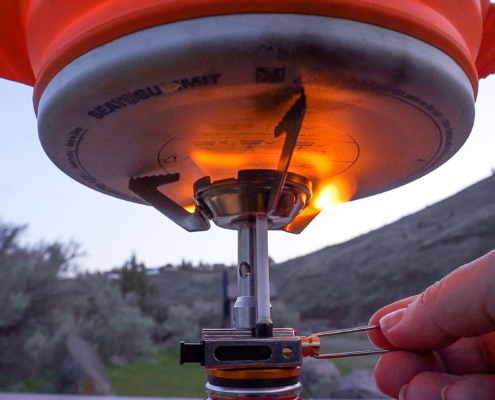
Even if your stove has its own ignitor (like the UST Trekker Stove does) it’s still very important to have a back up analog method to create fire in an emergency. Something like waterproof matches or a butane lighter.

It is always recommended to always have an extra day’s worth of food just in case something keeps you from moving along on your trip -such as an injury, weather or mechanical issues. Extra energy bars, nuts, dried fruits or jerky are great emergency foods. Me personally, I keep an extra condensed can of chicken noodle soup in my saddle bag as my just-in-case food.

If you’d like to get a deep dive into building a camp kitchen that meets your needs check out this video from As the Magpie Flies.

Water

Staying Hydrated is right up there with how you fuel your body and getting enough sleep.

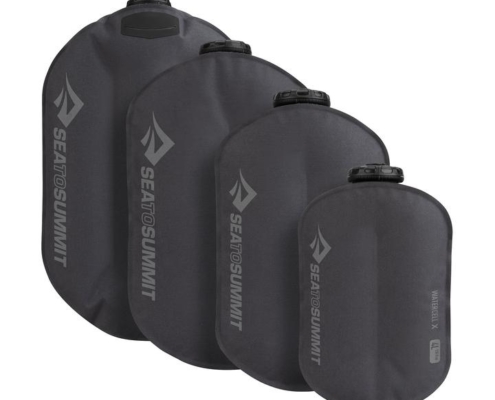
We’re talking about things you’ll need at camp here, not a whole packing list for your BDR experience, so I’m going to skip over the hydration bladder backpack vs water bottle talk and stick to the one you need for camp: A Water Bladder.
Yes your extra water/water for camp should be in addition to the water you plan to drink throughout the day. Your extra water storage can also be used to refill your drinking water during the day. You should also consider some kind of water filtration system (ie water filter, or purification tablets) so if you find yourself between towns you have a way to collect safe drinking water. If you don’t have either of those, make sure you boil your water before consumption.

Our Pick:
Sea to Summit Watercell X
We like the 4L size for yourself or 6L if you’ll be sharing with someone else.

Light

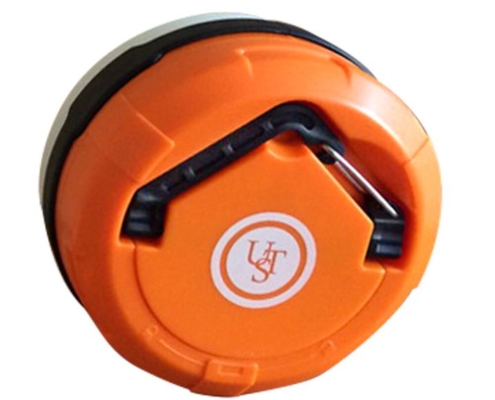
A headlamp or some kind of lamp to illuminate your campsite at night is great for convenience, and to keep you from draining your motorcycle battery if you’re using your headlight to try and set up your tent after dark.

Consider the UST Spright LED Lantern

Clothing

Understanding the basics of layering before you go out there is going to help keep you comfortable in the heat and the cold.

I highly recommend having a nice warm set of clothes just for sleeping in. If you can afford it merino wool base layers, socks, hat and gloves are ideal sleep clothes. Climbing into your sleeping bag in the same clothes you spent all day sweating in can have the opposite effect of keeping you warm.

Having a nice cozy down jacket and/or fleece jacket to put on when the temperature drops around camp is also a key part of any layering system in the backcountry.

Would you like more tips for staying nice and cozy at night? Check out this video from As the Magpie Flies.

Sun Protection

I won’t preach at you about the dangers of sunburns and potential skin cancer if you don’t take some precautions. But know that, even if you’re wearing a full face helmet, you can still burn your face if you don’t apply sunscreen. Having some kind of hat and sunglasses to wear when your helmet is off is also a great idea.

OPTIONAL LUXURY ITEMS

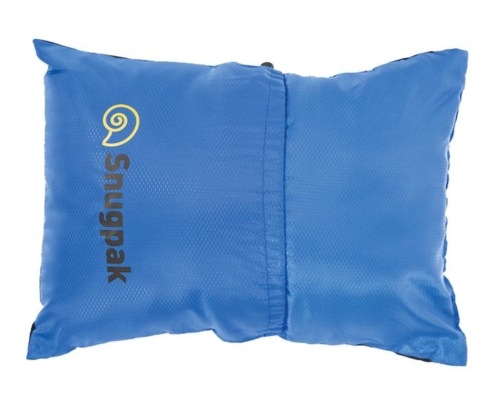
Pillow
Now if you’re not interested in stuffing a shirt with your down jacket as a pillow, check out the Sea to Summit Aeros Premium Pillow if you’re a back sleeper, or the Snugpak Snuggy Pillow if you’re a side sleeper

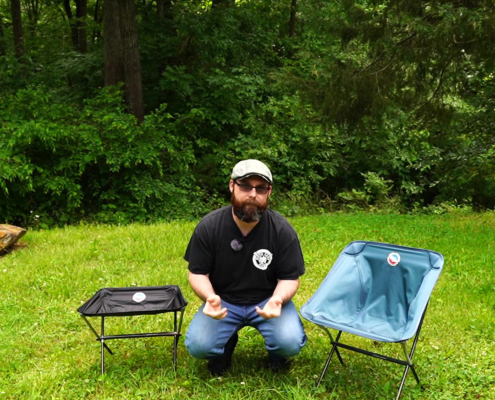
Camp Chair
Like I said a little earlier in this post, having a chair is great if you do plan on spending a good amount of time hanging out at camp in the afternoon/evenings. Not so much if your goal is to get as many miles done in a day as possible.

But in the case that you do plan on taking your time, check out the Big Agnes Skyline UL Chair.

There are of course things that I didn’t mention like; an action camera or a mirrorless DSLR to capture your trip, maybe a kindle so you can relax and read a book at camp while you’re waiting for the water to boil, or maybe a small journal to document your experiences. But I hope this list gives you a jumping off point to customize, and create your packing list that will meet all of your needs for your BDR adventure.

Most importantly of all: Leave No Trace.
Take every scrap of trash and food waste with you, and leave your campsites better than you found them. Keeping access to these wonderful places open, is all of our responsibility.

Backcountry Discovery Routes is a 501c(3) non-profit corporation. © 2026 Backcountry Discovery Routes, Inc. All rights reserved. Terms of Use.